
Things to Do in Reykjavik in August
August weather, activities, events & insider tips
Shoulder Season · Good Value
August Weather in Reykjavik
Temperature, rainfall and humidity at a glance
57°F (14°C)
High Temp
47°F (8°C)
Low Temp
2.5 inches (64 mm)
Rainfall
70%
Humidity
Is August Right for You?
Weigh the advantages and considerations before booking
Advantages
- + Seventeen to eighteen hours of usable light: that is what Reykjavik still throws at you by early August. Even late-month sunsets don't begin until after 9 PM. The midnight sky turns a deep copper-gold rather than going dark. You can walk Laugavegur at 11 PM in something close to dusk light, total disbelief. This recalibrates your sense of time in a way that's hard to anticipate until you're standing there, watch reading midnight, with the sky still faintly orange over Esja mountain.
- + Late June through early September, that's it. The F-roads into Iceland's highland interior open for exactly 3 months. August delivers peak conditions: obsidian lava fields glare underfoot, geothermal valleys steam like broken saunas. This is the country's real backcountry. Landmannalaugar, Þórsmörk, and the Kjölur route between the two main glaciers demand 4WD. Guided expeditions leave daily from Reykjavik during this window. You won't find access anywhere else on the calendar.
- + Puffin season peaks in early-to-mid August. The colonies on Akurey and Lundey islands in Faxaflói Bay deliver the goods, visible from evening boat tours out of the Old Harbour. The squat black-and-white birds with their orange beaks nest on sea stacks within 10-15 meters (33-49 feet) of touring vessels. You'll hear the wingbeats overhead before you see them. They begin leaving for open ocean by mid-August. The first two weeks of the month are the window, not a suggestion but a hard deadline.
- + 17-20°C in August. That's the magic number at Nauthólsvík, warm enough to swim when the Atlantic beyond sits at a brutal 12°C. They've rigged a sheltered cove where geothermally heated water pumps straight into the lagoon, creating a pocket of warmth that simply doesn't exist most months. Reykjavik families treat this place like their backyard. On clear afternoons you'll find them sprawled across imported sand under pale northern light, kids shrieking as they cannonball into water that shouldn't feel this good. The café sells cold beer that tastes better than it has any right to, and Arctic terns dive overhead like they own the sky. This combination, warm lagoon, cold beer, diving birds, is pure Reykjavik. Just not the version most travel coverage bothers to mention.
Considerations
- − August is brutal. Peak season crowds hit their absolute ceiling, and Reykjavik simply wasn't engineered for the crush it now swallows. The Golden Circle, Þingvellir, Geysir, Gullfoss, morphs into a theme park by weekday afternoons. Tour buses roll in convoy. Strokkur geyser draws 200 people per eruption cycle. Book accommodations and day tours in central Reykjavik 8-10 weeks ahead, minimum. Miss that window and you're stuck choosing between ruinous last-minute rates or suburban beds that tack 20-30 minutes onto every single trip.
- − Forget the northern lights. August won't deliver. Iceland's aurora season runs October through March, and this month's near-constant daylight kills any chance, the sky simply refuses to darken. You'll squeeze out maybe a sliver of astronomical twilight around 1-2 AM by late August. If the aurora is your main reason for visiting Iceland, August is dead wrong. No rural location, no pricey guided tour, no gimmick will bend the rules.
- − 14°C (57°F) on Skólavörðustígur at breakfast. By lunch you're dodging sideways rain. Weather flips fast and cold, even at summer's technical peak. The wind off the North Atlantic slashes the effective temperature in minutes. Locals don't gamble. They treat layering and a proper windproof shell as mandatory, not optional. The 10 rain days per month refuse to bunch up, they scatter across the calendar like buckshot. Three in a row? Possible. Nine dry days? Also possible. Pack accordingly.
Best Activities in August
Top things to do during your visit
Whale Watching from the Old Harbour
August is prime time. Minke and humpback whales overlap in Faxaflói Bay, and the Old Harbour departure point puts you 20-30 minutes from active feeding grounds. Humpbacks breach so close you hear the exhale before you see the blow. The bay stays calmer in August than spring or autumn. Fewer swells mean smaller inflatables won't bounce on longer crossings. Morning departures win, afternoon sea breeze kicks in after 2 PM. Tours last 2.5-3.5 hours and leave multiple times daily. Operators run two choices: large whale-watching vessels or RIB speedboats. If you're prone to seasickness, pick the larger boat. Conditions at the dock rarely predict the ride.
Booking Tip: August boats fill fast, book 5-7 days ahead or you'll miss it. Morning runs between 8-10 AM bring glassy water and whales that show up. Check the booking section below for current availability. Pick operators with whale watching association certification. They stick to approach distance rules that give you better sightings and keep the animals safe.
Golden Circle Day Trips
August is both the best and worst month for Iceland's 300 km (186-mile) loop. Þingvellir National Park, Geysir geothermal field at Haukadalur, and Gullfoss waterfall, this trio draws more people than any other route. Þingvellir sits in the rift valley where North American and Eurasian plates tear apart at 2.5 cm (1 inch) yearly. Walk the fault line. August birch scrub flickers gold at the edges. At Geysir, Strokkur erupts every 6-10 minutes. Boiling water rockets 20-30 meters (66-98 feet) up. Sulfur stink hangs in damp air. Gullfoss plunges 32 meters (105 feet) in two stages. Mist slaps your face from 50 meters (164 feet) away. The catch? Tour buses swamp Geysir between 11 AM and 2 PM. Show up before 9 AM or after 4 PM. You'll get the grandeur back.
Booking Tip: Small-group tours under 12 people cut through August crowds like a knife, they move faster and time stops work better than lumbering coach tours. Self-driving works if you're game for unfamiliar roads. The loop runs entirely on paved roads, no 4WD vehicle needed. Check current guided options in the booking section below. Book at least 2 weeks ahead in August for any version of this trip.
South Coast Waterfalls and Glacier Lagoon Tours
You'll see more of Iceland in one day on the South Coast than most countries manage in a week. The drive east from Reykjavik compresses every landscape type into 450 km (280 miles) of black sand, green fields, and ice. Seljalandsfoss drops 60 meters (197 feet) straight off a basalt cliff. A path runs behind the curtain, August snowmelt means full volume, and you'll get soaked. Pack a dry layer. No exceptions. Thirty km (18.6 miles) east, Skógafoss throws spray rainbows across clear mornings. The water hits so hard you taste minerals in the air. Keep going. Jökulsárlón waits at Vatnajökull's foot, blue-white ice chunks calve and drift toward the Atlantic. August seals haul out on the bergs, ignoring tour boats that glide between them like ghosts. The full round trip from Reykjavik takes 11-12 hours. August keeps every glacier road open, avalanche risk at zero, probably the safest month you'll get for this route.
Booking Tip: Full-day tours covering the waterfalls and glacier lagoon appear in the booking section below. Book at least 10-14 days ahead in August. If you plan to walk on the glacier face itself, accessible on side trips near Skaftafell, book a guided glacier walk with crampons specifically. Never attempt unguided glacier walking regardless of conditions.
Snæfellsnes Peninsula Exploration
Snæfellsnes Peninsula sits 200 km (124 miles) northwest of Reykjavik. Yet it pulls far fewer crowds than the Golden Circle. Same drama, half the tour buses. The 1,446-meter (4,744-foot) Snæfellsjökull glacier crowns the tip, vanishing into cloud on moody days when surf pounds the lava coast. Jules Verne picked this exact spot for his center-of-earth portal. He wasn't wrong. Djúpalónssandur's black lava beach spreads smooth-worn stones around the rusted ribs of a British trawler, downed 1948, still photogenic. Arnarstapi's basalt sea stacks host nesting seabirds through August. Bring a zoom lens. The peninsula holds its own weather pocket, clearer skies than Reykjavik when the capital sulks under gray. August delivers this bonus often. Day trips clock 10-11 hours from Reykjavik. Every road is paved.
Booking Tip: Book now. The western peninsula stays quieter than the Golden Circle, and 7-10 days ahead in August usually lands you a seat. Half-day tours bail out at Arnarstapi, skip them. The full-day push to Snæfellsjökull delivers the payoff.
Geothermal Pool Culture at City Pools and the Blue Lagoon
Forget the spa brochures, Reykjavik's pools are where locals live. They're neighborhood infrastructure, not tourist traps. After work, residents head to shallow hot pots at 38-42°C (100-108°F) to decompress and argue football scores. Laugardalslaug in Laugardalur valley dominates as the city's largest outdoor complex. Multiple hot pots run at different temperatures beside the main 50-meter (164-foot) lap pool. August evenings pack the place with regulars who've been coming since childhood. The water smells faintly of minerals, geothermally sourced, straight from the earth. For the international crowd, Blue Lagoon sits 45 minutes southwest toward Keflavík Airport. Silica-white water at 38°C (100°F) contrasts sharply against the dark lava field formed in a 1976 eruption. Worth seeing once. Books fill weeks ahead in August. The experience tilts increasingly toward international tourism. Laugardalslaug and Sundhöll Reykjavíkur, a city center pool opened in 1937, deliver the honest introduction to how Icelanders use hot water.
Booking Tip: Book the Blue Lagoon weeks ahead, August fills 3-4 weeks out. Walk straight into city pools like Laugardalslaug and Sundhöll. No reservation needed. Pack a swimsuit and towel. Rentals exist, selection is limited. Icelandic pool culture demands a naked pre-swim shower. This is enforced, not optional, and signs explain the process.
Reykjavik Culture Night (Menningarnótt) Walking Experience
Roughly 100,000 people pour into Reykjavik on one Saturday each August, Menningarnótt. The city flips inside out. Museums, galleries, theaters, and cultural institutions fling their doors open at once. Free entry. Lights burn past midnight. Performances spill into the streets and the harbor area. The National Museum, all three Reykjavik Art Museum locations, Árbær Open Air Museum, and dozens of smaller venues join in. The concert schedule threading through Harpa Concert Hall on the harbor swings from traditional Icelandic folk to contemporary jazz. A city of 130,000 hosts 100,000 visitors for a single night. Fireworks finish it, midnight bursts over Faxaflói Bay. Because this is Iceland in August, the sky never goes black; a faint copper glow lingers at the horizon behind the colored explosions. In 2026, the third Saturday of August owns the show.
Booking Tip: Skip the ticket lines, most Menningarnótt events cost nothing and welcome walk-ups. For the Harpa concerts that do charge, check Harpa's site two weeks ahead. Those seats vanish fast. Downtown Reykjavík shuts down and turns into one giant pedestrian zone for the night. The basalt pavement is lumpy, flat shoes with grip beat fashion every time.
Where to Stay in Reykjavik in August
Hand-picked hotels across price tiers for August travellers.
★★★★
Luxury
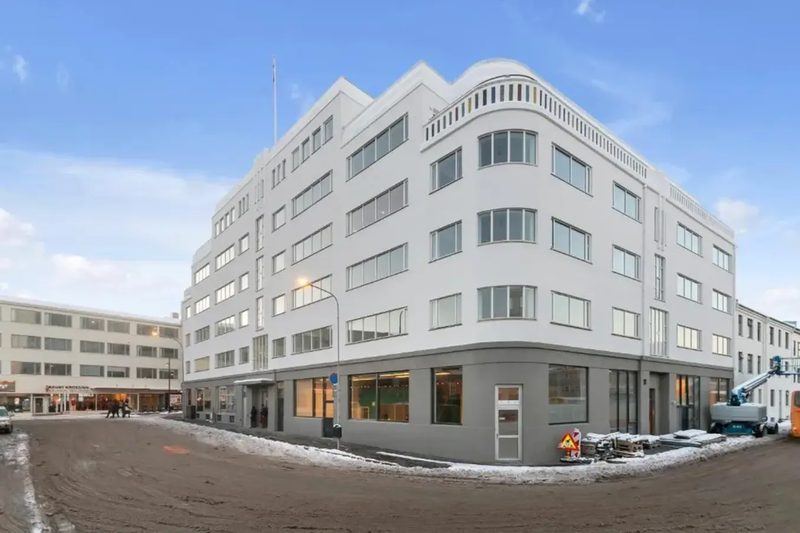
Iceland Parliament Hotel, Curio Collection by Hilton
From $280 / night
Check Prices on Trip.com →
Public Holidays in August
Dates that affect opening hours, transport and crowds
Frídagur verslunarmanna
Known in English as Commerce Day. Observed nationwide as a public holiday.
Frídagur verslunarmanna
Known in English as Commerce Day. Observed nationwide as a public holiday.
Packing Checklist
Bookmark this page — your progress is saved between visits
Need the full list with shopping links?
Climate-specific gear, brand recommendations, and what to leave at home.
View Reykjavik Packing List →Essential Tips
Insider knowledge and common pitfalls to avoid
Insider Knowledge
Puffin timing is the most underappreciated decision in August planning. The Atlantic puffins nesting on Akurey and Lundey islands begin their departure for open ocean from roughly August 15 onward. If seeing puffins is on your list, book an evening boat tour for the first ten days of August, not as a suggestion but as a hard deadline. By late August, the colonies are noticeably thinner. By September, the birds are gone entirely and won't return until April.
Reykjavik's thermal pools aren't spas. They're the city's living room, where locals unwind, trade gossip, watch their kids burn energy in the lanes, and restart last week's argument in the same hot pot. The rules aren't suggestions. Strip naked for the mandatory pre-entry shower. Leave your outdoor shoes at the changing room door. Keep your phone camera pocketed in pool areas. Follow these and you're family; break them and staff step in fast, with zero patience for excuses. Laugardalslaug in Laugardalur and Sundhöll on Barónsstígur in the city center serve neighborhoods, not tour buses. The payoff is immediate.
Skip the Blue Lagoon crowds, Kolaportið delivers raw Reykjavik. The flea market runs Saturday and Sunday mornings in a harbor warehouse near the Old Harbour, and it's worth 90 minutes if you want something with genuine local texture. Upstairs: second-hand books, vintage lopapeysa sweaters at a fraction of boutique prices, if you dig. You'll also find household detritus that reveals how locals live. Downstairs smells hit first. Dried fish, skyr, and the occasional hákarl, fermented Greenlandic shark that reeks like a month-old fridge. Try it once. Principle matters. Nothing here is curated for tourists. That is the point.
Book Reykjavik lodging 8-10 weeks out. August beds in Laugavegur or Old Harbour vanish fast. Six weeks before arrival? Mid-range central rooms are gone. You're left with pricey last-minute deals or suburban stays. The city's Airbnb stock has shrunk since officials cracked down on short-term rentals. Those rules didn't fix the summer squeeze, hotels rule here more than in most European capitals.
Avoid These Mistakes
The rookie mistake? Packing for summer because the calendar says August. First-timers see the month and stuff their bags with cotton tees, sandals, maybe one thin layer for evenings. The North Atlantic laughs at this logic. That wind chill at Gullfoss or along the Snæfellsnes coast turns a bright August afternoon into genuine hardship. 12°C (54°F) feels brutal when the wind cuts through your clothes. Ten hours without a proper windproof layer could fairly be called a specific kind of miserable you can avoid completely.
They'll spend every day on day trips and never see Reykjavik. The Golden Circle and South Coast are compelling enough that visitors often burn their entire trip driving out of the capital, then crawl back only to sleep. Big mistake. This skips the city itself: the view from the top of Hallgrímskirkja church at golden hour, the Saturday morning Kolaportið market, the Old Harbour seafood, Menningarnótt if you hit the right week. Give Reykjavik at least one full unscheduled day. It earns it.
Forget the lights. August visitors to Iceland arrive primed for aurora photos and leave with memory cards full of copper skies instead. The content is saturated with northern lights imagery regardless of season. Yet in August the sky simply doesn't darken enough for visible aurora. You'll get brief astronomical twilight around 1-2 AM by late August, nothing more. Reset those expectations on the plane over. The country offers better compensation: puffins still nesting, highlands finally open, midnight sun sliding into bronze, festivals spilling into streets. Take what August gives you.
Ready to plan your trip to Reykjavik?
Now that you've got the research covered, here's where to go next.
Book Experiences in Reykjavik
Top-rated things to do in Reykjavik this August


Explore More Activities in Reykjavik
Didn't see anything interesting yet?
Browse Viator's full catalog of tours, day trips, food experiences, and private guides in Reykjavik.
See All Reykjavik Tours on Viator