

Things to Do in Reykjavik in October
October weather, activities, events & insider tips
Low Season · Budget Friendly
October Weather in Reykjavik
Long-run averages for October
45°F (7°C)
High Temp
36°F (2°C)
Low Temp
3.1 inches (79 mm)
Rainfall
82%
Humidity
11
Rainy Days
1
Sunny-Day UV
⚠ Winter barges in after October 15. Storms slam without warning. Bookmark road.is. Refresh before every drive. Sudden closures strand travelers.
⚠ Wind roars past 20 m/s (45 mph) most days. Hold the car door tight. Unlatched doors bend like foil. Walking feels like uphill swimming. Lean in.
Is October Right for You?
Weigh the advantages and considerations before booking
Advantages
- + October is when the Northern Lights season kicks into gear. For the first time since April, nights turn dark, by the 30th, the sun drops at 7:30pm and the odds of a green flare over Þingvellir and the Reykjanes Peninsula climb fast. Locals tap the Aurora forecast app around the 10th. You should too.
- + Shoulder-season pricing flips the script. Reykjavik hotels that demand booking months ahead in June and July suddenly have rooms, real availability. Rates drop, noticeably lower than summer. You still get the same geothermal pools. Same views over Faxaflói Bay. All at a fraction of the peak premium.
- + Crowds vanish. The Golden Circle and South Shore routes thin out from summer saturation, finally. Gullfoss waterfall runs heavier now, autumn rain pushing more water over the edge, and the viewing platforms aren't clogged with selfie sticks anymore. Þingvellir National Park, where the North American and Eurasian tectonic plates rip apart in a rift valley 50 km (31 miles) east of the city, can be experienced at the contemplative pace it deserves.
- + Through most of October, whale watching from Reykjavik Old Harbour still works. Minke whales and humpbacks crowd Faxaflói Bay for their last feed before winter migration. Boat captains cancel rather than run trips that'll make passengers miserable, honest, and you'll thank them later.
Considerations
- − Wind isn't background noise in October, it owns the stage. Sustained gusts of 60-80 km/h (37-50 mph) slam in from the southwest across the North Atlantic, and when they hit, even a five-minute walk from Laugavegur to the Harpa Concert Hall turns brutal. Your plans will collapse. Accept this before you land and leave every single day loose.
- − October locks the highland interior gate by gate. By mid-month, most F-roads, those highland routes demanding four-wheel-drive, are either impassable or legally barred to rental vehicles. Landmannalaugar's geothermal area and the Þórsmörk highlands? Accessible only via scheduled super-jeep tours. Even those hinge on weather. If highland landscapes are why you're coming to Iceland, September wins.
- − Daylight bleeds away at 5 minutes a day through October. You'll drop from 12 hours of workable light to under 9 by the 31st, no negotiation. Summer-style evening plans? Scrap them. Leave after noon for Seljalandsfoss and you'll be steering home in pitch black.
Best Activities in October
Top things to do during your visit
Northern Lights Hunting Tours
October flips the switch in Reykjavik, from "maybe you'll see an aurora" to "people are seeing them every night." By mid-month, organized tours roll out of the Old Harbour every clear evening, chasing forecasts 30-60 km (19-37 miles) to dark-sky spots near Þingvellir, the Reykjanes Peninsula, or south toward Selfoss. Guides stay on live radio with the Icelandic Met Office and reroute around cloud cover in real time. Clear nights with a KP index of 3 or above? Sightings are common. Overcast? Most operators rebook for free, a policy they keep through winter. Standing in a dark Icelandic field while green curtains sweep overhead is, clichés and all, still an experience without an obvious match. Reserve 5-7 days ahead, good forecast windows sell out even in shoulder season.
Booking Tip: Skip the big bus. Small-group tours, max 20 people, leave later, when the lights spike, and their guides double as photographers. They chase cloud gaps like bloodhounds. Bring your own hand warmers. Guides love guests who show up self-sufficient. Check current options in the booking section below.
Golden Circle Day Tours
October light changes everything. The Golden Circle, Þingvellir National Park, Geysir geothermal area, Gullfoss waterfall, still clocks in at 300 km (186 miles) from Reykjavik and still swallows a full day. But the sun sits low, the clouds stack up, and the whole route feels brand-new. At Geysir, Strokkur pops every 5-8 minutes; the steam plume catches that sideways gold and throws it against bruised October skies, an effect July's flat midday can't touch. Gullfoss, the two-tiered 32 m (105 ft) drop, is swollen with autumn rain yet free of winter ice, so you see it at full throttle. Drive yourself on clear days if you like. Book a guide and they'll reroute live when the weather turns.
Booking Tip: Check road.is every single morning, overnight conditions can shut entire sections without warning. Waterproof boots with grip aren't optional at Gullfoss. The spray mist turns the viewing path into an ice rink. Current guided full-day options? See the booking section below.
Whale Watching from Reykjavik Old Harbour
Faxaflói Bay, the wide North Atlantic bay Reykjavik faces, serves up Europe's easiest whale watching. Boats leave from the Old Harbour (Gamli Höfnin), only 15 minutes' walk from Hallgrímskirkja church. Twenty to thirty minutes later you're on the feeding grounds. October belongs to minke whales, and humpbacks that spot't yet quit their summer buffet for the south. The boats used in October have enclosed heated cabins. That matters. Out here, Faxaflói throws a 3°C (37°F) wind chill at sea speed. The round trip clocks 2.5-3 hours. By late October, success rates slide as the big pods push south. Earlier in the month gives you better odds. Ask operators for their current sighting frequency before booking if you're visiting in the final weeks.
Booking Tip: Tours run daily, weather permitting. The operator cancels same-day if conditions turn unsafe. Seasickness tablets? Worth it. The bay throws up 1-2 m (3-6 ft) swells without warning. Check current departures and guaranteed-sighting policies in the booking section below.
Geothermal Pool Experiences
October is, against all logic, prime time for Iceland's geothermal pools. The cold air slams against 38-40°C (100-104°F) water, that contrast is the whole point, and steam billowing off the surface at 3°C (37°F) gives you the shot you'll frame. The Blue Lagoon on the Reykjanes Peninsula, 50 km (31 miles) from Reykjavik and parked right on the Keflavik Airport transfer line, sells out weeks ahead even in shoulder season. No walk-ups. Not happening. In Reykjavik proper, Laugardalslaug, the big municipal outdoor pool in Laugardalur Valley, delivers the same scalding hot pots locals hit before their morning commute. No reservations. No 50-minute drive. Just show up. For the backcountry version, Landmannalaugar might still be reachable by super-jeep tour in early October, right before the roads lock down for winter.
Booking Tip: Blue Lagoon requires advance booking and is difficult to access without a reservation even in October, book at least 3-4 weeks ahead. Laugardalslaug opens early morning and requires no booking. Locals arrive at 7am, which makes it feel most authentic. For current Blue Lagoon packages and day trips, see the booking section below.
South Shore Waterfall and Coastal Day Tours
October is when the South Shore corridor shows its teeth. Seljalandsfoss and Skógafoss waterfalls thunder with autumn rain, and the black-sand beach at Reynisfjara turns raw and dangerous. Both waterfalls run high from autumn rainfall, and Seljalandsfoss (where a path leads behind the falling curtain of water) doesn't yet have the ice formations that make late-winter visits treacherous. Reynisfjara's basalt column stacks and North Atlantic waves carry a genuine menace in October, the beach has claimed lives from visitors standing too close to unpredictable increase waves. But the stark atmosphere of dark skies, black sand, and almost no other visitors is its own kind of reward. The full corridor from Reykjavik to Skógafoss and back is a comfortable day trip covering around 360 km (224 miles).
Booking Tip: Road.is demands a morning check, October weather flips overnight. Guided day tours hit the main sites with geological and cultural commentary that adds depth. Scan current options in the booking section below. Pack waterproof trousers, not just a jacket, Skógafoss spray won't quit.
Reykjavik Food Hall and Nordic Restaurant Evenings
Mid-October lamb in Reykjavik tastes like mountain wind and iron. The réttir, the traditional roundup of free-range sheep from highland pastures that happens in late September and early October, delivers meat so fresh it still carries altitude. This isn't the year-round frozen version; it's stronger, more mineral, different. Look for slow-braised shoulder (lömbalæri) and the thick lamb soup (kjötsúpa) that appears on menus like a seasonal announcement. October strips away summer crowds. Kitchens settle into autumn menus without tourist pressure. Hlemmur Mathöll, the converted bus terminal turned food hall at the east end of Laugavegur, is a solid starting point. Counter-service format. Staff who move between Icelandic and English without pause. Cross-section of local cooking styles minus reservation stress. The broader area around Laugavegur and the lanes running off it concentrates the restaurants worth a deliberate evening.
Booking Tip: Reykjavik's small size (around 130,000 people) means popular spots fill fast, even without summer visitor numbers. Book Friday and Saturday restaurant evenings at least 5-7 days ahead. For food-focused walking tours of Laugavegur and the Old Harbour area, see current options in the booking section below.
Where to Stay in Reykjavik in October
Hand-picked hotels across price tiers for October travellers.
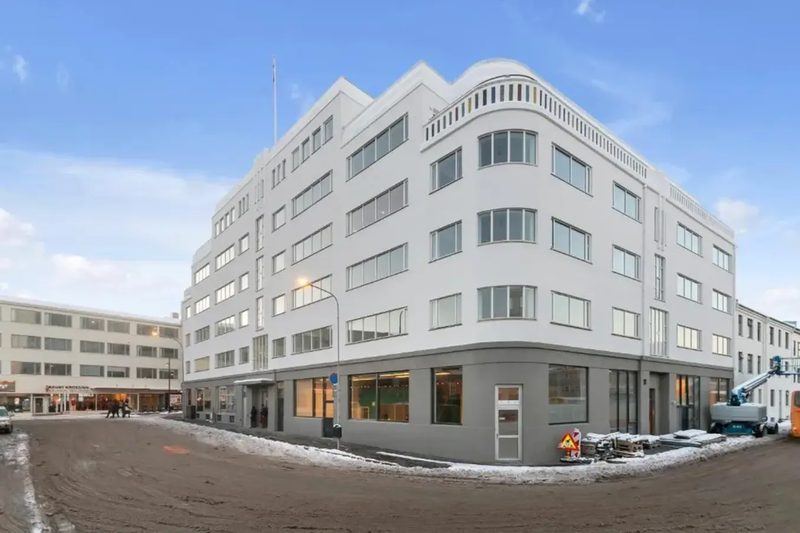
★★★★
Luxury
Iceland Parliament Hotel, Curio Collection by Hilton
From $280 / night
Check Prices on Trip.com →
Packing Checklist
Bookmark this page — your progress is saved between visits
Need the full list with shopping links?
Climate-specific gear, brand recommendations, and what to leave at home.
View Reykjavik Packing List →Essential Tips
Insider knowledge and common pitfalls to avoid
Insider Knowledge
Locals treat the veður (weather) like a daily soap opera, they'll reshuffle plans at 6am if the plot twists. Download the Vedur app from the Icelandic Met Office. It gives hyperlocal wind direction and speed forecasts that matter far more than temperature when planning outdoor activities. A 10°C (50°F) morning at 15 km/h (9 mph) is a lovely day. The same temperature at 70 km/h (43 mph) is a different experience.
Grab your lopapeysa on day one, everyone else does. The Handknitting Association of Iceland sits on Skólavörðustígur, a short uphill stroll from the city center. Hand-knitted versions cost more than machine-made ones. They are practical artifacts of Icelandic domestic culture and nearly weatherproof. You'll spot the buyers for the rest of their trip, they look impossibly comfortable.
KP index hits 4 and Reykjavik itself lights up. No tour needed. Just walk 4 km (2.5 miles) west to the Grótta lighthouse on Seltjarnarnes Peninsula, cyclable too. Locals head there on clear evenings. The dark ocean horizon strips away city glare. Aurora jumps out. Clouds? They kill everything. Partial cover, total blackout. Flex beats fixed plans every time. Keep nights loose, that's the real Northern Lights strategy.
Mid-October. Every serious kitchen in Iceland has fresh mountain lamb. The réttir, the traditional roundup of free-range sheep from highland pastures in late September and early October, delivers meat that is stronger in flavor, more mineral, noticeably different from year-round supply. Order the slow-braised shoulder. Ask for the thick kjötsúpa. Hunt down the smoked hangikjöt that appears at this time of year. But only at a restaurant that lists provenance. October is when Icelandic lamb season peaks. This is the month the food matches the landscape.
Avoid These Mistakes
Iceland will shred your hour-by-hour itinerary. October storms cancel 30% of whale watching days. The Þórsmörk road can slam shut with two hours' notice. Build one unscheduled buffer day for every three planned, those travelers see Iceland as they imagined. Skip the buffer, and you'll spend it scrambling in a Laugavegur hotel lobby, rebooking everything you thought was fixed.
10°C (50°F) in continental Europe is not 8°C (46°F) in Reykjavik. Add 60 km/h (37 mph) gusts and the gap widens fast. Travelers who pack for mild October mornings land unprepared, wind cuts through every layer. They'll spend their first afternoon panic-buying on Laugavegur. Prices bite. The racks favor souvenir fleece over real gear.
The Blue Lagoon isn't walk-in ready, even in shoulder season. It sells out most days year-round and routinely shows no availability two to three weeks out even in October. Book before you finalize your flights. This is the single most consistent source of Iceland trip disappointment, arriving at Keflavik with no Blue Lagoon reservation and no available slots.
Ready to plan your trip to Reykjavik?
Now that you've got the research covered, here's where to go next.
Book Experiences in Reykjavik
Top-rated things to do in Reykjavik this October


Explore More Activities in Reykjavik
Didn't see anything interesting yet?
Browse Viator's full catalog of tours, day trips, food experiences, and private guides in Reykjavik.
See All Reykjavik Tours on Viator