
Things to Do in Reykjavik in September
September weather, activities, events & insider tips
Shoulder Season · Good Value
September Weather in Reykjavik
Long-run averages for September
52°F (11°C)
High Temp
43°F (6°C)
Low Temp
3.4 inches (86 mm)
Rainfall
81%
Humidity
14
Rainy Days
2
Sunny-Day UV
⚠ Wind gusts over 60 km/h (37 mph) hit several times each September. Coastal walks become hazardous. Exposed viewpoints turn dangerous. Car doors can injure. Check vedur.is daily. Heed wind warnings. The South Coast funnels gusts through mountain passes.
⚠ Daylight drops five to six minutes daily through September. Early September day trips feel relaxed. Late September versions demand predawn starts to avoid full darkness on unlit rural roads.
⚠ Highland F-roads begin seasonal closures in September. River crossings manageable in August become impassable after autumn rains. Check road.is for real-time status before any inland driving.
Is September Right for You?
Weigh the advantages and considerations before booking
Advantages
- + Northern lights season returns after three months of midnight sun. By mid-September, Reykjavik's skies are dark enough by 10 PM for aurora hunting, and the solar activity forecast for late 2026 sits near cycle-peak levels. The first sighting of the season, when that green curtain shivers across the sky above Grótta lighthouse, tends to hit harder than any you see in deep winter. You're not freezing solid while watching it.
- + Summer tourist volume drops sharply after the first week of September. The Golden Circle stops feeling like a motorway. Hallgrímskirkja's tower observation deck no longer has a forty-minute queue. Restaurants along Laugavegur that required reservations two weeks out in July might seat you same-day. You're trading a bit of warmth for the ability to experience the city at its own pace. No elbow-to-elbow crowds with cruise ship passengers.
- + Icelandic lamb reaches its peak in September. The free-range sheep have spent three months grazing highland moss, wild thyme, and angelica across the interior. The meat that shows up on Reykjavik menus in September carries a distinctly herbaceous, almost gamey depth. Factory-farmed lamb simply cannot replicate this. Traditional kjötsúpa, the lamb soup that every grandmother in this country makes differently, appears on practically every lunch counter in the city once the temperature drops. September is when the pots start simmering again.
- + The landscape shifts into its brief and dramatic autumn palette. The birch scrub across the lava fields east of Reykjavik flares copper and rust-orange for roughly three weeks. The contrast against black basalt and grey-green moss creates a color scheme that photographs better than the postcard-perfect greens of summer. The quality of light matters here too. September's lower sun angle throws long shadows and gilds everything in a warm amber. Midsummer's overhead glare washes this out entirely.
Considerations
- − Wind is the real adversary, not cold. Reykjavik's September gusts regularly hit 50-60 km/h (31-37 mph), and the wind chill can make 8°C (46°F) feel like 2°C (36°F) in seconds. It's the kind of wind that inverts cheap umbrellas on Skólavörðustígur. A pleasant walk along the harbour becomes a physical negotiation. Without a proper windproof shell, you'll spend most of your outdoor time hunched and miserable.
- − Daylight shrinks fast. Reykjavik enters September with roughly 15 hours of usable light and exits with about 12, losing five to six minutes every day. By late September, sunset is around 7:15 PM. Afternoon day trips to the South Coast or Snæfellsnes Peninsula need earlier starts than you'd have planned in July. The golden hour light is gorgeous. The window for outdoor activities tightens noticeably each week.
- − Weather changes with almost no warning. A clear morning can become horizontal rain by lunch and clear again by mid-afternoon. The Icelandic saying 'if you do not like the weather, wait five minutes' is not a joke here. It is a genuine operational constraint. This unpredictability makes it difficult to commit to full-day outdoor plans without backup options. It tends to frustrate travelers who need certainty in their itineraries.
Best Activities in September
Top things to do during your visit
Northern Lights Tours from Reykjavik
September marks the return of dark skies after Iceland's three-month-long midnight sun, and the first auroras of the season carry a particular thrill. Operators head out of Reykjavik's light pollution toward Þingvellir or the Reykjanes Peninsula, where the sky opens up above lava fields that still smell faintly of sulfur from the recent volcanic activity. The catch with September is cloud cover. Iceland's autumn skies are roughly 60 percent overcast on any given night, so tours frequently reschedule or reroute on short notice. That said, when the clouds break and a green-white arc develops above the silhouette of Esja mountain across the bay, there is no equivalent experience anywhere in the Northern Hemisphere at this latitude. Book with operators who offer free rebooking if the forecast kills the first attempt, and keep two or three nights flexible for chasing clear windows. The best displays tend to come after 10:30 PM in early September, shifting closer to 9:30 PM by month's end as nights lengthen.
Booking Tip: Book three to five days ahead. Keep your schedule loose since clear-sky nights are not guaranteed. Prioritize operators who include free rebooking for cancellations due to cloud cover. Smaller group sizes mean less jostling for the best viewpoints. See current tour options in the booking section below.
Silfra Fissure Snorkeling in Þingvellir
Silfra sits inside Þingvellir National Park, in the rift between the North American and Eurasian tectonic plates, and the water is glacial meltwater that has filtered through porous lava rock for decades before surfacing. The result is visibility that reaches 80-100 metres (260-330 feet), which sounds like a marketing exaggeration until you are floating face-down above the fissure and watching the rocky walls descend into a blue so saturated it looks artificial. The water temperature holds steady at 2-4°C (36-39°F) year-round, so September is no colder than July, and the dry suits keep everything except your face and hands out of the cold. Your exposed skin goes numb within about two minutes. It settles into a dull tingle that you stop noticing once the scale of what you're looking at registers. September's advantage is practical. Summer's booking crush eases, so you're more likely to get a morning slot when the low-angle sunlight penetrates the water and lights up the algae on the rock walls in electric green.
Booking Tip: Book at least a week ahead for morning slots when sunlight hits the water at the best angle. Dry suit experience is not required, but you'll need to be comfortable in cold water around your face. Operators provide full gear. Check the booking section below for current availability.
Sólheimajökull Glacier Hiking on the South Coast
Sólheimajökull is one of Iceland's most accessible glacier tongues, about 160 km (100 miles) southeast of Reykjavik, and September is arguably the best month to walk on it. The summer melt has carved the ice into ridges, moulins, and deep crevasses that reveal layers of compressed blue and white ice striped with volcanic ash from eruptions decades apart. The crampons bite into ice that creaks and groans under your feet, and in the quiet moments between gusts the only sound is meltwater trickling somewhere beneath you. What makes September special is the visual drama: fresh snow dusts the upper reaches of Mýrdalsjökull above while the lower tongue remains bare ice, and the surrounding black sand outwash plain has not yet been buried in winter white. The glacier is receding measurably year over year, and the lagoon at its foot grows larger each season, which lends the whole experience a bittersweet urgency that summer crowds tend to drown out. Day trips from Reykjavik pair the glacier with stops at Seljalandsfoss and Skógafoss, where September's increased rainfall turns already impressive waterfalls into roaring white curtains.
Booking Tip: Full-day tours from Reykjavik depart early and return by evening. Book three to seven days ahead. All equipment including crampons, ice axes, and helmets is provided by licensed glacier guides. A reasonable level of fitness is required since you'll be walking on uneven ice for two to three hours. See options in the booking section below.
Golden Circle Day Tours
The Golden Circle loop covers Þingvellir National Park, the Geysir geothermal area, and Gullfoss waterfall in roughly 300 km (186 miles) of driving from Reykjavik, and September strips away the peak-season tour-bus congestion that makes all three sites feel like a queue rather than a landscape. At Geysir, the hot spring Strokkur still erupts every six to ten minutes, launching a column of boiling water 20-30 metres (65-100 feet) into air cold enough that the spray turns to steam instantly. The sulfur smell is sharp and eggy, the ground beneath your boots warm to the touch, and on a clear September afternoon the contrast between the turquoise pool and the browning grass surrounding it is almost surreal. Gullfoss in September carries serious volume from autumn rains, and the noise from the viewing platform drowns out conversation. The mist that hangs above the canyon soaks through anything that is not waterproof within minutes. Þingvellir, where the Icelandic parliament was founded in 930 AD in the rift valley between continents, is quieter in September than any other accessible month, and walking the Almannagjá gorge with autumn-coloured birch on either side and the lake glinting below feels closer to solitude than any summer visit allows.
Booking Tip: Book two to four days ahead in September. Full-day tours typically run eight to ten hours. Self-driving is straightforward on paved roads. But guided tours include context that transforms geological features from scenery into stories. Current options are in the booking section below.
Whale Watching from Reykjavik's Old Harbour
Reykjavik's Old Harbour is one of the few places in the world where you can walk from a coffee shop to a whale-watching boat in under five minutes, and September is the tail end of the peak cetacean season. Minke whales and humpbacks feed in Faxaflói Bay through autumn, and white-beaked dolphins frequently ride the bow wave close enough that you can hear the explosive puff of their breathing. The water in September is rougher than summer, which means the boats pitch and roll enough to test anyone prone to seasickness. But the trade-off is fewer boats on the water and longer, closer encounters when the whales surface. On overcast days the bay is a sheet of pewter grey, the whale's back a darker grey arc that breaks the surface with a sound like a long exhale, and the spray hangs in the cold air for a beat before the wind carries it off. Sighting rates in September typically run above 90 percent for the better operators. The three-hour morning departures tend to have calmer seas than the afternoon runs.
Booking Tip: Book two to three days ahead and choose morning departures for calmer conditions. Take seasickness medication an hour before boarding if you have any doubt about your tolerance. Operators provide warm overalls and rain gear on board. Check current schedules in the booking section below.
Jökulsárlón Glacier Lagoon Overnight Expeditions
Jökulsárlón sits about 380 km (236 miles) east of Reykjavik, which makes it a long day trip and a far better overnight. The lagoon is filled with icebergs that have calved off Breiðamerkurjökull glacier, and in September the bergs are massive from summer calving. They creak and pop as trapped air escapes from ice that is hundreds of years old, and the colour ranges from opaque white to a deep, translucent blue that looks lit from inside. Diamond Beach, the black volcanic sand shore where smaller ice chunks wash up, is less crowded in September, and the low afternoon light turns each piece of ice into something that does look like a rough-cut gemstone against the dark sand. The overnight format lets you arrive in late afternoon when day-trippers are already heading back, giving you the lagoon in near-solitude at its most photogenic hour. September also opens the possibility of northern lights reflecting off the lagoon water, which is a sight that is almost unfairly photogenic.
Booking Tip: Two-day tours from Reykjavik typically include the South Coast waterfalls en route and accommodation near the lagoon. Book at least a week ahead in September since overnight options in the area are limited. Bring your warmest layers for evening lagoon viewing. See multi-day tour options in the booking section below.
Where to Stay in Reykjavik in September
Hand-picked hotels across price tiers for September travellers.
★★★★
Luxury
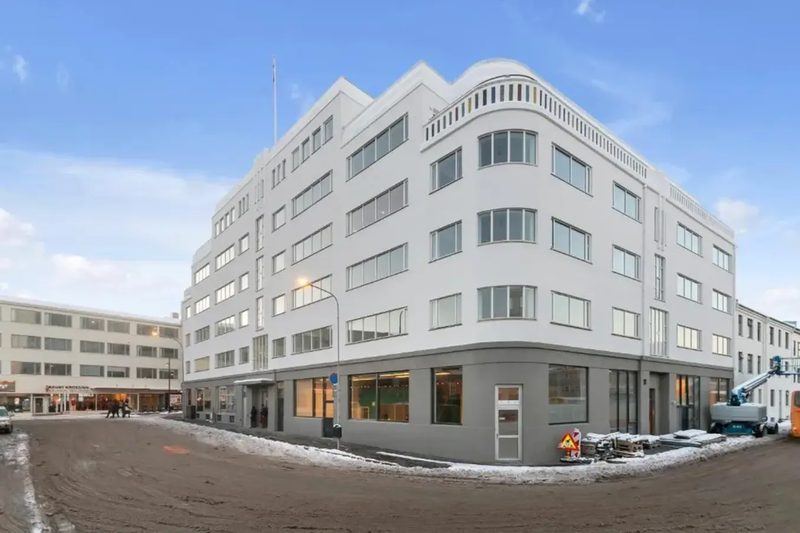
Iceland Parliament Hotel, Curio Collection by Hilton
From $280 / night
Check Prices on Trip.com →
Packing Checklist
Bookmark this page — your progress is saved between visits
Need the full list with shopping links?
Climate-specific gear, brand recommendations, and what to leave at home.
View Reykjavik Packing List →Essential Tips
Insider knowledge and common pitfalls to avoid
Insider Knowledge
Skip the overpriced and overcrowded tourist pools. Head to Reykjavik's neighbourhood geothermal pools instead. Try Vesturbæjarlaug in the west end. Try Sundhöllin downtown, the oldest pool in the city, built in 1937, recently renovated. They cost a fraction of the resort-style lagoons. Locals go here. They gossip and decompress in waist-deep 40°C (104°F) water. The etiquette is straightforward. Shower thoroughly without a swimsuit before entering. This is non-negotiable and monitored. Ease into the hot pots. Do not talk loudly. The silence is not unfriendly. It is the point.
Reykjavik's dining scene in September centers on the fresh-lamb window. The animals come down from the highlands. Restaurants adjust their menus accordingly. Kjötsúpa, the traditional lamb soup, appears on nearly every lunch counter. Each bowl tastes different. Every Icelandic cook has a family recipe and strong opinions about it. The broth is clear. The lamb chunks are tender to the point of falling apart. The root vegetables carry a sweetness from growing slowly under twenty hours of summer daylight. Find it at unfussy downtown lunch spots. Look for chalkboard menus. The tables will not match.
The hot dog stand Bæjarins Beztu Pylsur near the harbour has been operating since 1937. It serves a lamb-and-pork hot dog that every travel guide mentions. Order it 'eina með öllu' (one with everything). This means raw and crispy fried onion, ketchup, sweet mustard, and a remoulade that tastes like nothing you get elsewhere. The combination sounds excessive. It works well. The queue moves fast.
Fill up in Reykjavik. Fuel stations thin out fast, and prices rise with distance. The ring road's longest gaps, east of Vík on the South Coast, hit 70-80 km (43-50 miles). Tourists run dry more than they admit.
Avoid These Mistakes
Pack for wind chill, not the thermometer. Ten degrees Celsius (50°F) sounds pleasant. Reykjavik's September wind drops that to 3-4°C (37-39°F) on your skin. Travelers banking on cool autumn weather end up soaked and buying emergency fleeces at steep Reykjavik prices.
Iceland's distances are not European distances. The Golden Circle spans 300 km (186 miles). Jökulsárlón demands 380 km (236 miles) each way. Snæfellsnes covers 200 km (124 miles). These take time. Roads stay two-lane. Speed limits top out at 90 km/h (56 mph). September weather slows you more. Attempting South Coast and Golden Circle in one day means driving blind and missing the point.
The Blue Lagoon alone misses the point. It is a polished tourist facility in a lava field near the airport. Fine for what it is. But it relates to Icelandic pool culture the way a theme park relates to your local playground. Reykjavik's municipal pools carry the real social ritual. Locals have soaked there since before tourism existed. Entry costs far less than the resort. Book the Blue Lagoon for your feed. Visit Sundhollin to grasp why Icelanders treat hot water as a civic right.
Ready to plan your trip to Reykjavik?
Now that you've got the research covered, here's where to go next.
Book Experiences in Reykjavik
Top-rated things to do in Reykjavik this September


Explore More Activities in Reykjavik
Didn't see anything interesting yet?
Browse Viator's full catalog of tours, day trips, food experiences, and private guides in Reykjavik.
See All Reykjavik Tours on Viator